
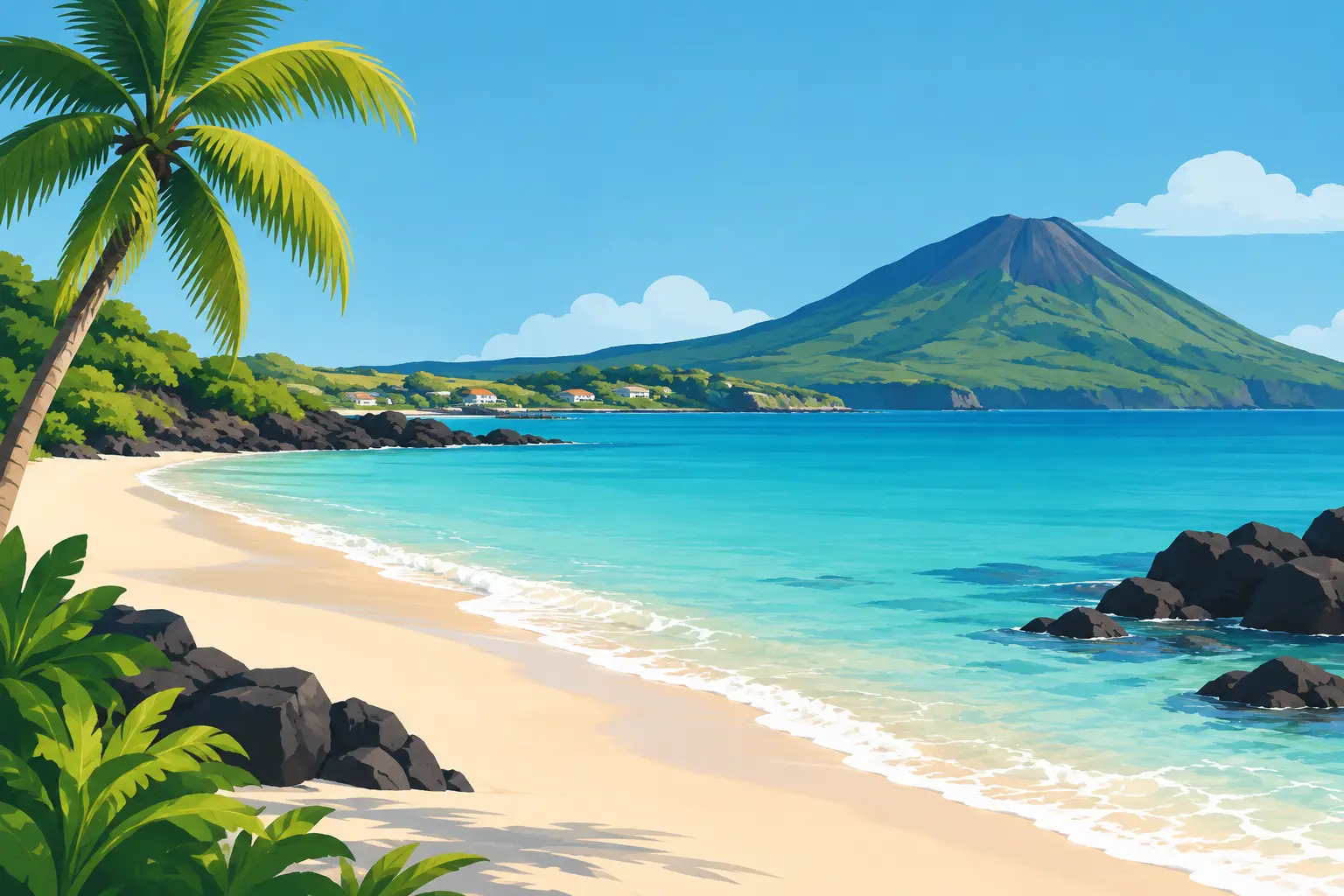
The best quiet Caribbean beach escapes do not always announce themselves with a row of lounges, a beach bar soundtrack, and a planned activity every hour. Sometimes the reward is arriving somewhere small enough that the sea still sets the rhythm. On St. Eustatius, known affectionately as Statia, a morning swim can be followed by a volcanic hike, a reef dive, or simply lunch with nowhere else you need to be.
This is not a resort island built around spectacle. It is a place for travelers who would rather discover than arrive: couples looking for privacy without pretense, divers who care about healthy reefs, hikers who prefer a trail to a tour bus, and curious visitors drawn to an island with a big story. Its quiet is real, but it comes with a trade-off. Statia rewards travelers willing to plan a little, embrace limited choices, and let the island be exactly as it feels.
What Makes Statia a Different Kind of Beach Escape
St. Eustatius is a Dutch Caribbean island where the landscape rises dramatically from the water. The Quill, a dormant volcano cloaked in tropical forest, shapes the southern half of the island. Along the coast, black volcanic sand, rocky coves, and clear blue water offer a striking alternative to the broad white-sand beaches many travelers expect from the Caribbean.
That distinction matters. If your ideal vacation means walking straight from an all-inclusive suite onto a long, groomed beach with constant service, another island may suit you better. Statia is not trying to be that. Its appeal lies in its sense of space, its uncrowded shoreline, and its intact connection between land, sea, and local life.
At Oranje Bay, often called Lower Bay, the dark sand and open view of the Caribbean create a setting that feels elemental rather than manicured. It is a place to swim when conditions are calm, watch the light shift across the water, and feel the scale of the island rising behind you. There are no sprawling resorts lining the shore, which is precisely the point.
For a more secluded feel, Zeelandia Beach on the Atlantic side reveals Statia at its wildest. The surf can be strong, so it is better for walking, looking, and taking photographs than for casual swimming. Visit for the wind, the volcanic coastline, and the pleasure of standing somewhere that has not been designed to entertain you.
Quiet Caribbean Beach Escapes Need More Than Sand
A truly restorative island stay is not only about finding an empty stretch of coast. It is about how the rest of the day unfolds. On Statia, the beach is part of a wider landscape that keeps the experience grounded.
The island’s marine park protects waters that are celebrated by divers for their coral reefs, volcanic formations, and abundant marine life. Divers can expect a range of sites, from shallow reefs suitable for newer divers to deeper wrecks and dramatic underwater terrain for those with more experience. Because the island receives far fewer visitors than major Caribbean diving hubs, the experience often feels personal. Still, dive operators have limited capacity, and advance reservations are wise, particularly during busy travel periods.
Snorkeling is possible from shore in selected conditions, but it should not be treated as an afterthought. Sea state, currents, and entry points vary. Local guidance is valuable, both for safety and for finding the spots that are best on the day you visit. The clearest water is not always the safest water, and a little local knowledge changes everything.
Back on land, the Quill National Park provides a different kind of quiet. The trail to the crater rim rises through dry forest before turning greener and more humid near the top. A guided hike is required for the crater trail, and it is worth arranging in advance. The climb is not difficult for every traveler, but it does demand steady footing, water, and respect for the heat. Inside the crater, dense vegetation and birdsong make the island feel far removed from the coast below.
This combination is Statia’s rare reward: you can begin with salt water, spend the afternoon on a volcanic trail, and return to the harbor as the day settles. There is no need to choose between a beach break and an active trip.
A Slow Island Requires a Smarter Plan
Statia’s unhurried pace is one of its greatest pleasures, but it is not the same as effortless logistics. Flights and regional connections may operate on limited schedules, and weather can affect travel plans. Confirm flights, ferry options where relevant, and transfer details directly before departure. Leave room in your itinerary rather than booking every connection too tightly.
Accommodations range from small hotels and guesthouses to villas and apartments, with a level of personal attention that is difficult to find on larger islands. The trade-off is inventory. There are fewer rooms, fewer rental cars, and fewer tables at the most appealing dinner spots. Booking early is especially helpful if you have particular dates, need a vehicle, or are traveling with a dive group.
A rental car gives you the greatest freedom to reach trailheads, coastal viewpoints, and different sides of the island on your own schedule. Statia is compact, but the roads and terrain are part of the character. Driving is less about covering distance than taking your time. If you prefer not to drive, ask your accommodation about taxi arrangements before you arrive rather than assuming transport will be immediately available.
Dining is similarly intimate. You will find welcoming local restaurants and relaxed places to eat, not an endless circuit of themed venues. That is a strength for travelers who value a meal that feels connected to place, but it calls for flexibility. Hours can change, certain restaurants may close on particular days, and popular tables may be limited. Confirming ahead is a simple courtesy to both yourself and the people preparing your meal.
How to Spend a Quiet Week on St. Eustatius
The most satisfying Statia itinerary leaves space between plans. Arrive, settle into your accommodation, and spend your first afternoon at Oranje Bay or walking the waterfront in Oranjestad. Let your first evening be uncomplicated: a good meal, a view of the harbor, and an early night after travel.
Use the next few days to alternate the sea with the island’s interior. A morning dive followed by a slow lunch works better than trying to fill the afternoon with another major excursion. On another day, hike the Quill with a local guide, then cool off with a swim if conditions allow. History lovers should reserve time for the historic lower town, where stone warehouses, fortifications, and the remains of an extraordinary trading past sit close to the shoreline.
Fort Oranje is especially worthwhile for understanding how much history this small island holds. In the 18th century, Statia was an important trading center, and its harbor once welcomed ships from across the Atlantic world. The island’s role in recognizing the newly independent United States is part of that story, but the deeper impression comes from seeing how history remains embedded in the streets, ruins, and coastline.
Keep at least one day intentionally open. It may become a second dive day, a leisurely drive, time by the water, or a chance to revisit a restaurant you liked. The weather may make the decision for you, and that is not a failure of planning. It is the island reminding you that a quiet escape works best when you leave room for it.
Who Will Love Statia Most
Statia is especially well suited to independent travelers who feel energized by a place with its own pace. It works beautifully for couples who want privacy without isolation, divers seeking substance over crowds, and hikers who want a Caribbean trip with genuine elevation. It also appeals to history-minded visitors who find as much pleasure in a weathered stone wall as in a perfect beach photograph.
Families can enjoy the island too, particularly those comfortable with simple, outdoors-focused travel. But travelers seeking kids’ clubs, large pools, shopping districts, or nightly entertainment should set their expectations accordingly. The island’s luxury is not excess. It is the ability to hear the waves, meet the people running the places you visit, and experience the Caribbean without a crowd between you and it.
Before you go, book the essentials that matter most to you, then resist the urge to overbuild the rest. On St. Eustatius, the quiet you came for is often waiting in the unscheduled hour after breakfast, when the beach, the volcano, and the day are still entirely yours.
